
Curriculum
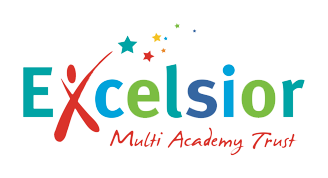
Our Curriculum
Please click on the image below for more information.
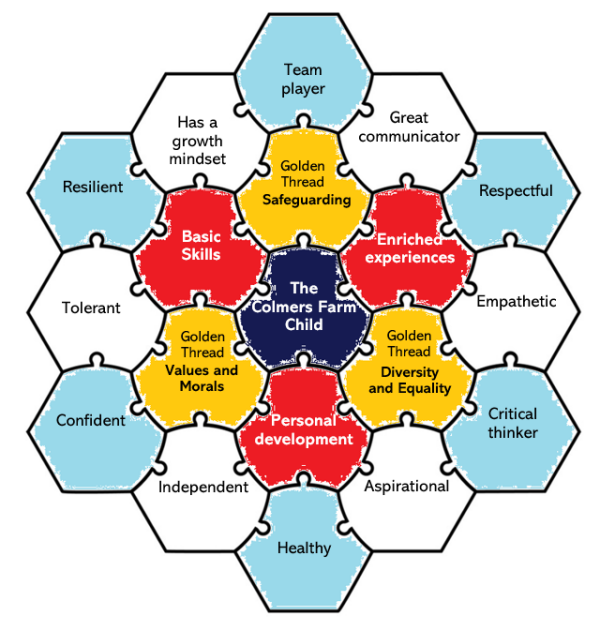
Our Curriculum Journey
Over the last few years, the curriculum at Colmers Farm has been significantly developed. We also have some exciting developments ahead. Click on the image below to read about our journey. (This may take a a short while to download.)
Our Subject Intent, Implementation and Impact Statements
The document below outlines what our aim is for each subject of our curriculum at Colmers Farm, how we teach the subject and what the impact of it will be.
Intent, Implementation and Impact for our Curriculum
Intent, Implementation and Impact for Individual Curriculum Subjects
Our Curriculum
Enjoy having a look at our innovative curriculum!
The documents below show the 'Big Ideas' for each learning unit and what will be covered within this. British Values are also incorporated into our planning along with a 'Wow' starter to engage children.
SEND in our Curriculum
At our school, we are committed to ensuring that pupils with Special Educational Needs and Disabilities (SEND) have equal access to a broad, balanced and ambitious curriculum. We recognise that every child is unique, and we work hard to remove barriers to learning through high-quality teaching, appropriate adaptations and personalised support where needed. Our curriculum is designed to be inclusive, enabling all pupils to participate fully in learning, develop independence and achieve their individual potential. Through close collaboration with families, staff and external professionals, we ensure that SEND pupils are supported to engage, succeed and flourish across all areas of school life, while feeling valued, respected and fully included within our school community.
For more information about our SEND provision please clink on the link below:
Safeguarding in the Curriculum
At Colmers Farm Primary School safeguarding is our highest priority and is a golden thread that runs through everything we do. We use the curriculum in school to raise children's awareness of safety so that they understand how to stay safe and what to do if they feel unsafe. Please click below to visit our safeguarding page where you can view year group documents that illustrate how safeguarding is taught in the curriculum.
Safeguarding in Our Curriculum
SMSC in Our Curriculum
SMSC is Spiritual, Moral, Social and Cultural development of the children in our school. This is not a separate subject that is taught explicitly but is an aspect of learning that should be present in lessons and behaviour in school. Some lessons lend themselves more easily to direct SMSC development such as Personal Development and RE, although this can be developed across the full curriculum. We also aim to develop SMSC through worship, behaviour expectations and our attitudes in school. Please see how we develop this below.
SMSC at Colmers Farm Primary School
Diversity Within Our Curriculum
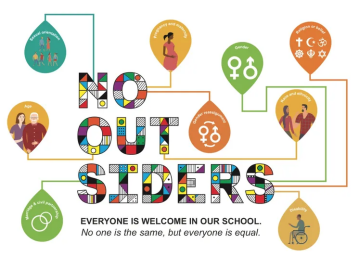
At Colmers Farm Primary School, we strongly believe in the importance of preparing our children to thrive in the multi-cultural country and world we like in. We have therefore designed our curriculum to be inclusive and to celebrate the amazing diversity our city, this country and the world has to offer. Our curriculum is designed to promote a tolerance, respect and acceptance of the characteristics of the Equality Act 2010 (age, disability, gender reassignment, marriage and civil partnership and maternity, race, religion or belief, sex or sexual orientation) and to challenge stereotypes. This is achieved through discrete teaching and through incidental learning across the curriculum. Please click the link below to find out more.
The use of the No Outsiders materials within our personal development lessons is a key part of our approach to teaching equality. (Click the image below to find out more information about the books we use to deliver this).
Our Topic Knowledge Organisers
| Year 1 | 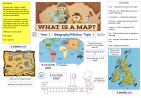 What is a Map? What is a Map? |
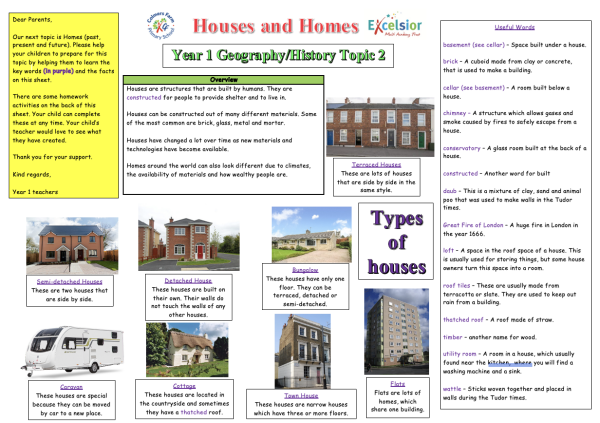 Houses and Homes Houses and Homes |
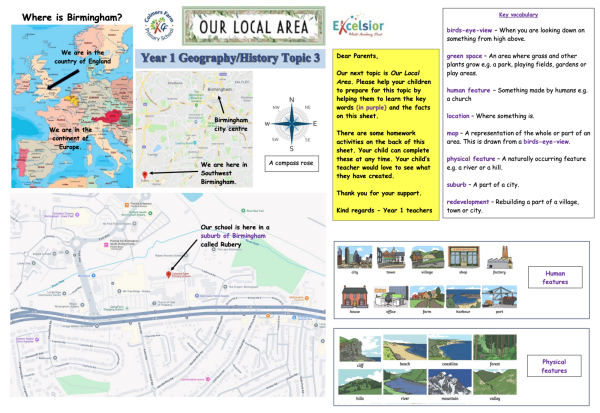 Our Local Area Our Local Area |
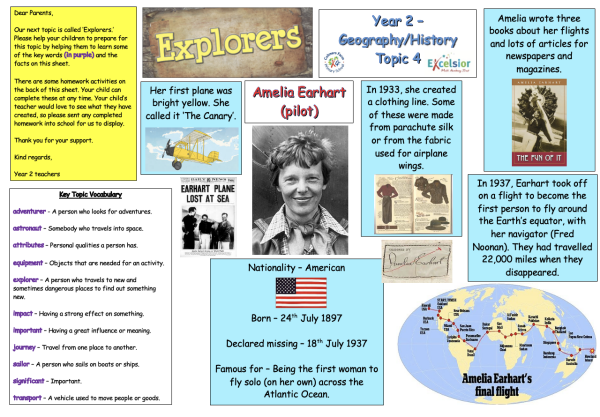 Explorers Explorers |
| Year 2 | 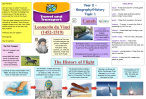 Travel and Transport Travel and Transport |
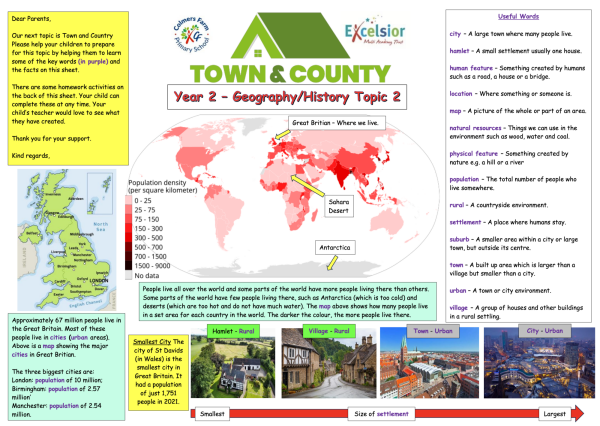 Town and Country Town and Country |
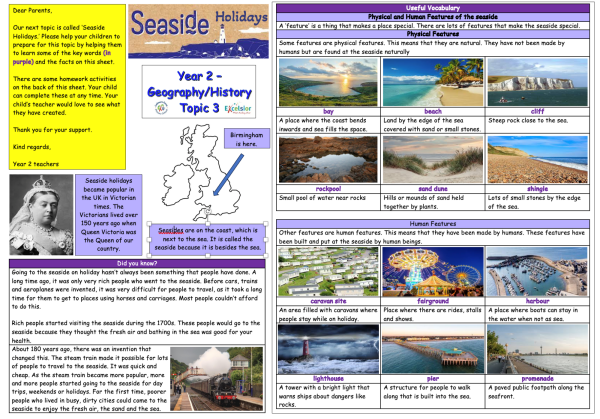
Seaside Holidays |
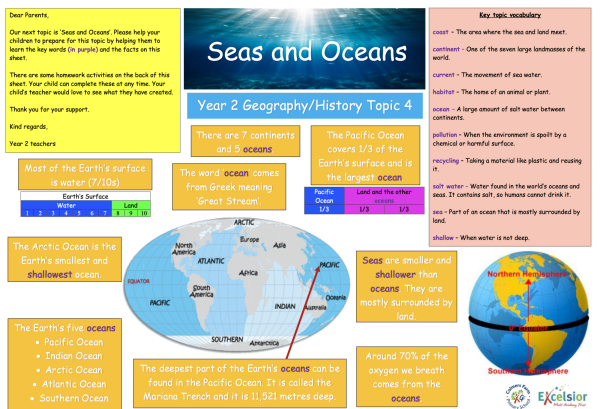 Seas and Oceans Seas and Oceans |
| Year 3 |  Brazil Brazil |
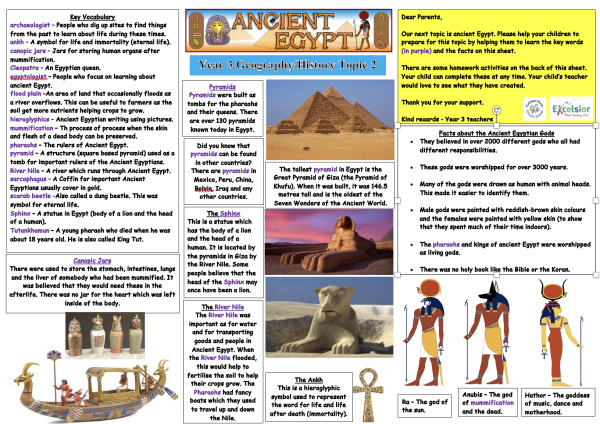 Egyptians Egyptians |
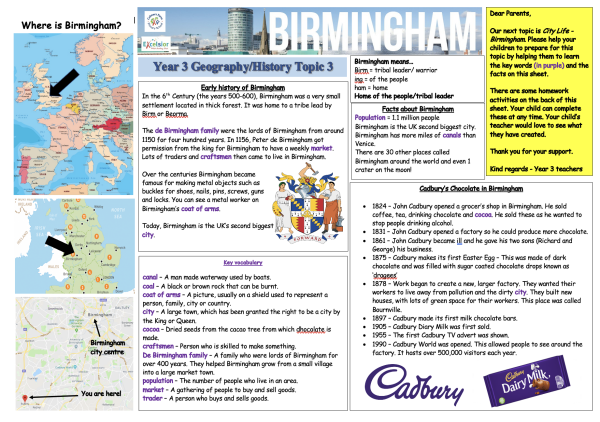 Birmingham Birmingham |
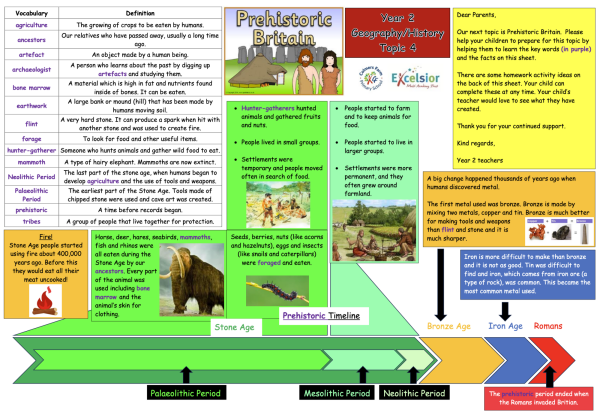 Prehistoric Britain Prehistoric Britain |
| Year 4 |  Roman Britain Roman Britain |
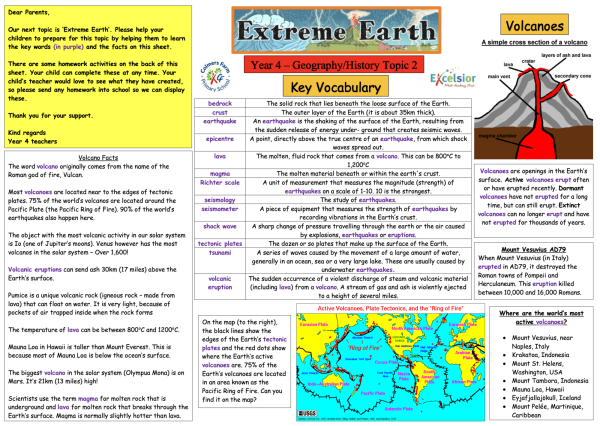 Extreme Earth Extreme Earth |
 The Normans The Normans |
 Antarctica Antarctica |
| Year 5 | 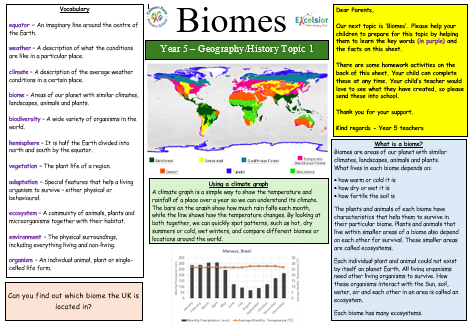 Biomes Biomes |
 Ancient Greece Ancient Greece |
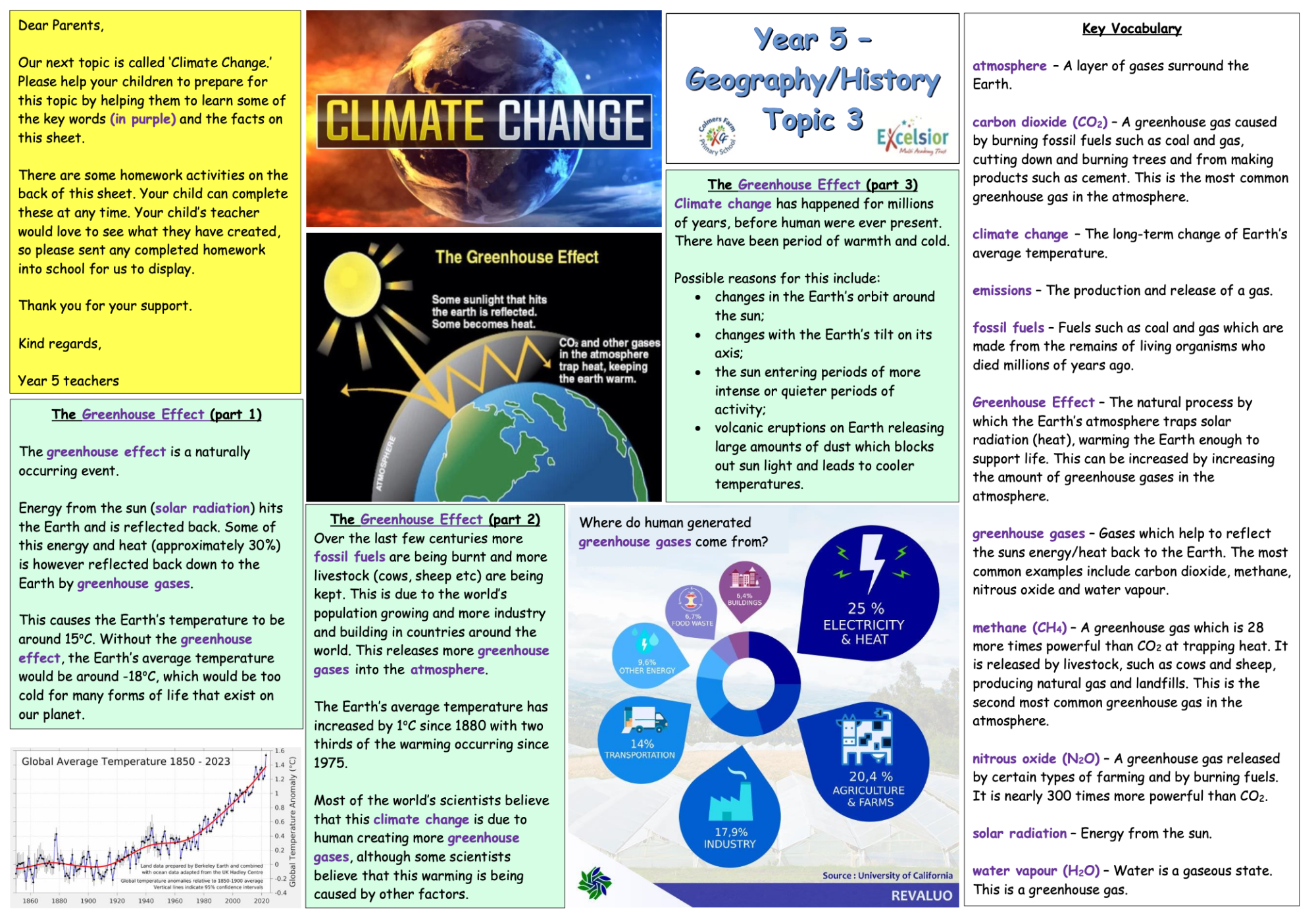 Climate Change Climate Change |
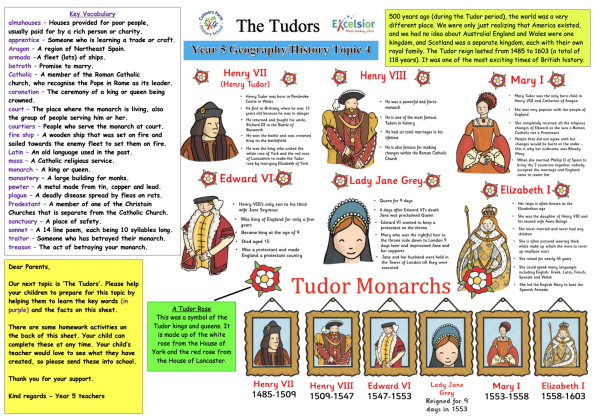 The Tudors The Tudors |
| Year 6 |  The British Empire The British Empire |
 World War 2 World War 2 |
 Migration Migration |
 Civil Rights Civil Rights |
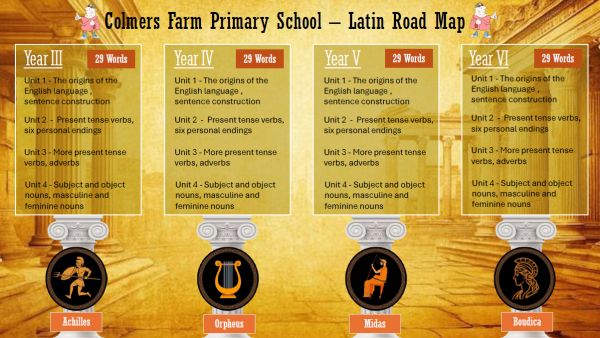
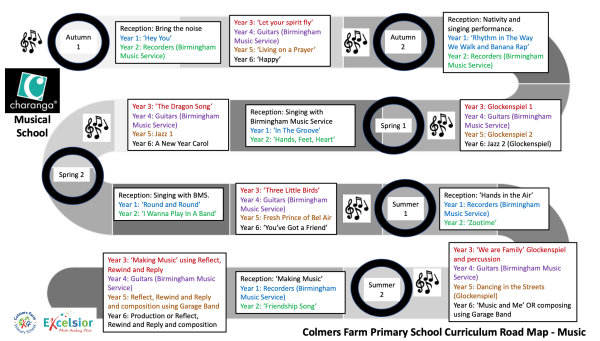
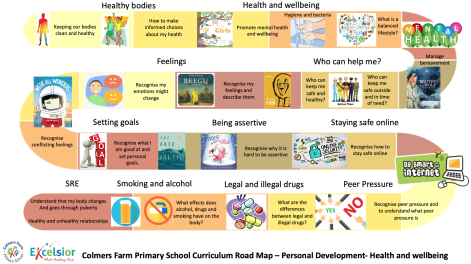
Our Topic Curriculum Subject Road Maps
|
|
Computing Road Map |
|
Design and Technology Road Map |
|
|
|
Modern Foreign Languages (MFL) |
|
|
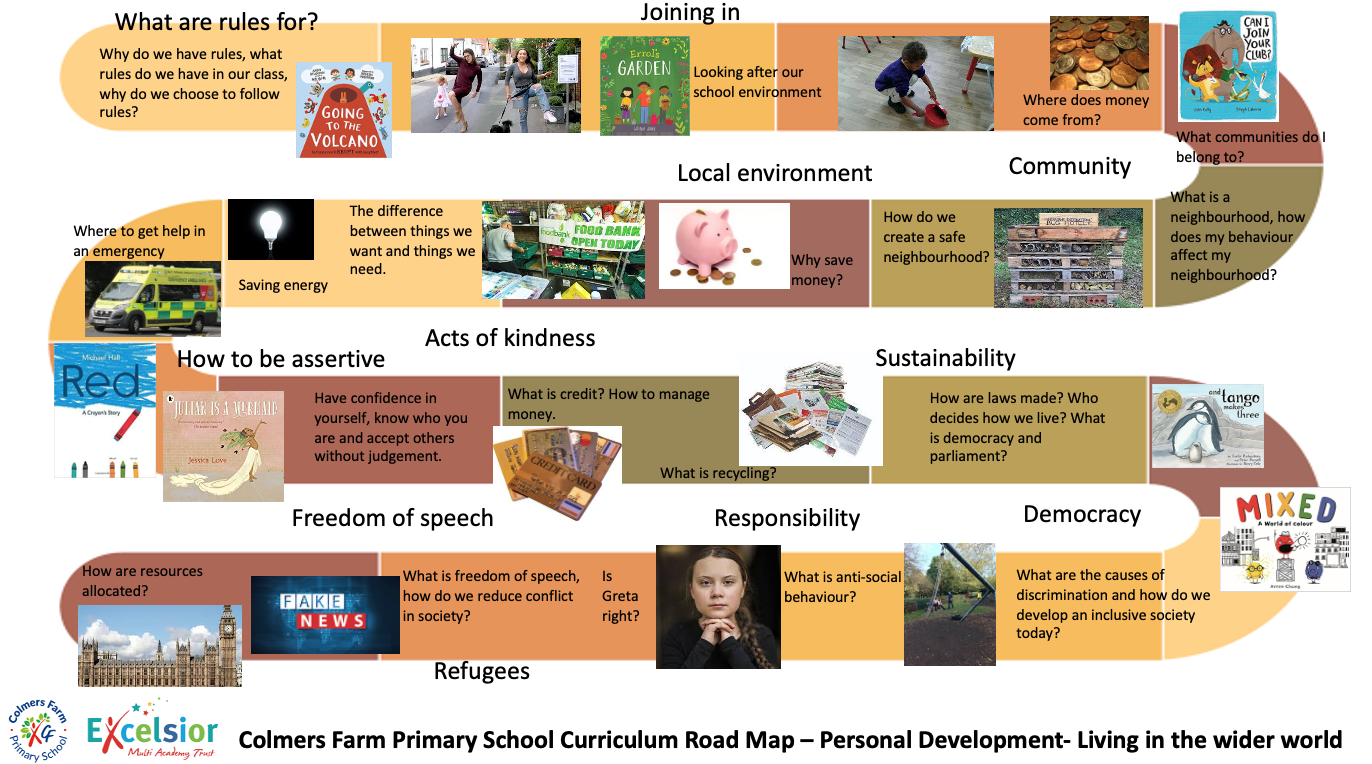
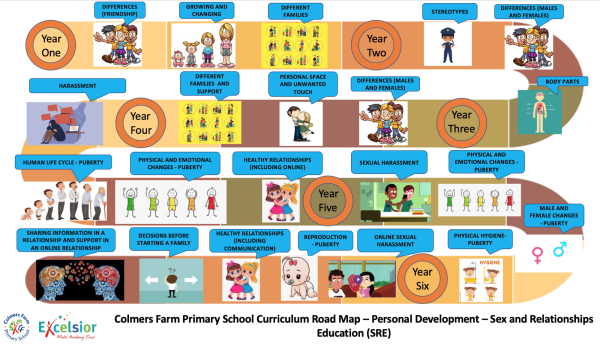
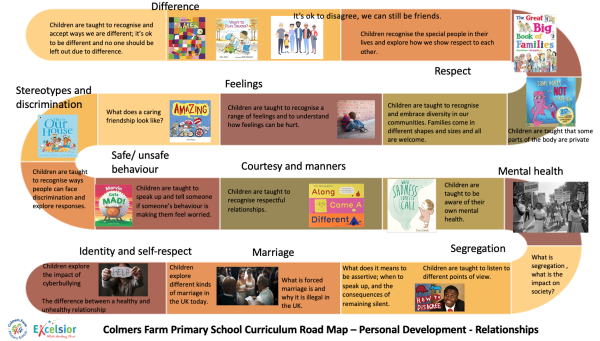
Personal Development (PD) Health and Well Being Road Map |
|
|
|
|
|
|
|
|
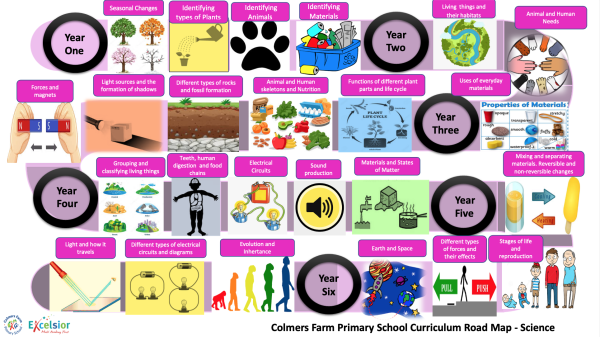 Science Road Map Science Road Map |
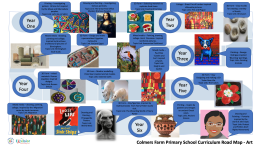
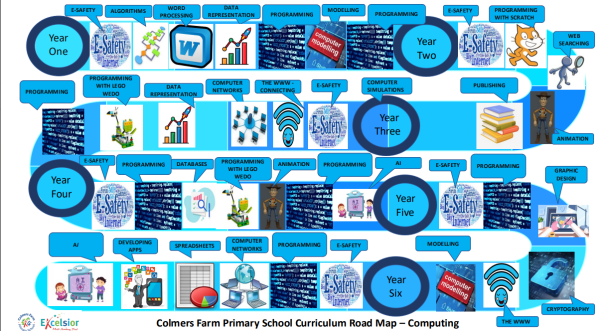
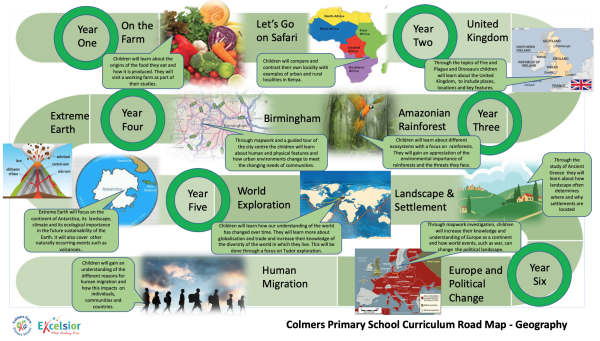 Geography Road Map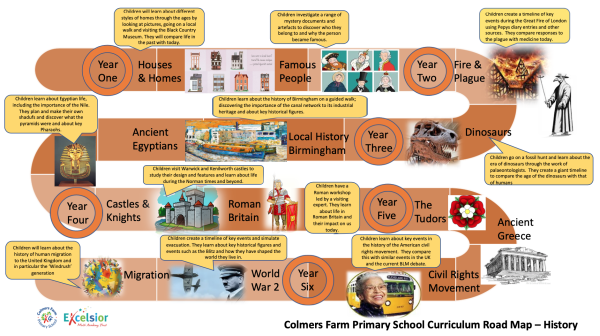
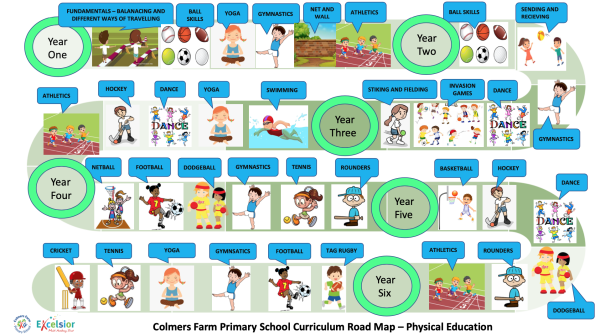 Physical Education (PE) Road Map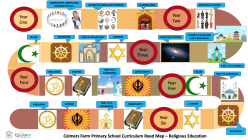
Music
All schools should have a music development plan, as set out in the national plan for music education. Please find a summary of our music development plan below.
Our music development plan summary
Subject Progression Maps
Please click on the subjects below to view our subject specific progression maps.
|
|
|||
| Modern Foreign Language (Language Angels) | |||
| Personal Development | PE | RE | |
| Science | Writing |
EYFS Curriculum
In Reception, at Colmers Farm Primary, we plan our topics around the children’s interests. We look at their experiences and learning needs, as well as responding to upcoming seasonal events. Our observations and assessments of our children are used to ensure that future planning meets the identified needs of our cohort and also engages them in learning through their interests. .
We follow the EYFS curriculum. Children learn through child-initiated play and adult directed activities throughout the unit. We believe that children should have the opportunity to work both indoors and outdoors, therefore at Colmers Farm we have a well-equipped outdoor learning area and our own forest school.
Our unit is carefully planned, with both the indoor and outdoor areas providing opportunities for accessing all seven areas of the EYFS curriculum. We also have discrete lessons for maths, English and phonics. We create medium term plans for each half term to ensure coverage of objectives and development of skills across the curriculum. We have daily assemblies to promote British Values and SMSC whilst developing children’s oracy skills.
Phonics
Throughout EYFS and KS1, Phonics is taught using the Read Write Inc. Programme.
The programme follows a clear structure so that every day, children are learning about the sounds letters make, how to read (blending and segmenting words), spelling patterns, reading fluency and comprehension. Children are grouped and taught at the right pace and level for them.
This programme prepares the children for their phonics screening check at the end of Year 1. We continue to teach in this way until teachers decide their children are ready to move on to a more detailed reading approach (during Year 2).
In KS2 we use the Read Write Inc. Fresh Start programme for pupils who would benefit from phonetic reinforcement.
Reading
Reading is a fundamental skill for our children. The curriculum is designed to enable children to develop their reading skills. All lessons across the curriculum should incorporate elements of reading. Teachers plan their English lessons based upon high quality challenging texts and novels, most of which link to the termly topics the children are studying.
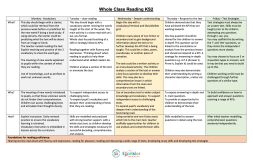
Whole class reading sessions are introduced at the end of Year 2 (when children are ready for these) and continue in Years 3 to 6. This allows children to continue to develop their reading skills and exposes them to increasingly complex extracts and complete texts. The structure of our week's reading lessons can be viewed by clicking on the image below.
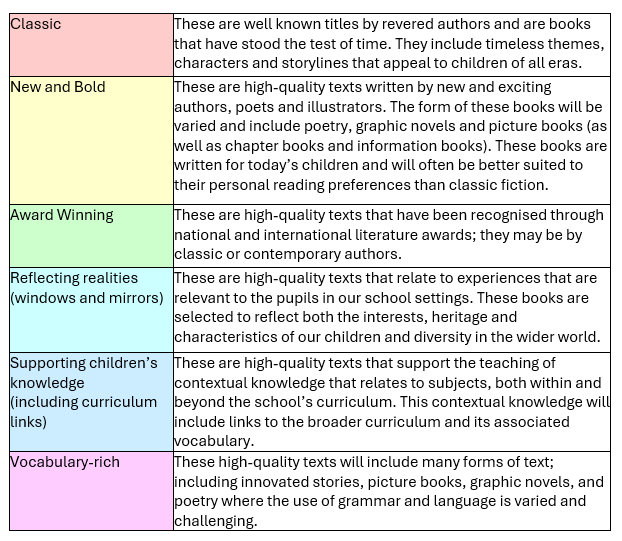
At Colmers Farm we expose children to a range of texts that have a range of features. Click on the image below to find out more about these.
Our class reads in KS2 are shared using a programme called Just Read. These books are pitched just above the level of the highest readers in the class.
Individual reading takes place regularly at our school, with the children who are less confident with reading receiving individual reading sessions daily. The Accelerated Reader Program is used to assess children's understanding and to ensure that children are reading books of an appropriate level in KS2. All children have access to our well stocked school library. This allows them the freedom to make text choices related to their own interests.
Writing
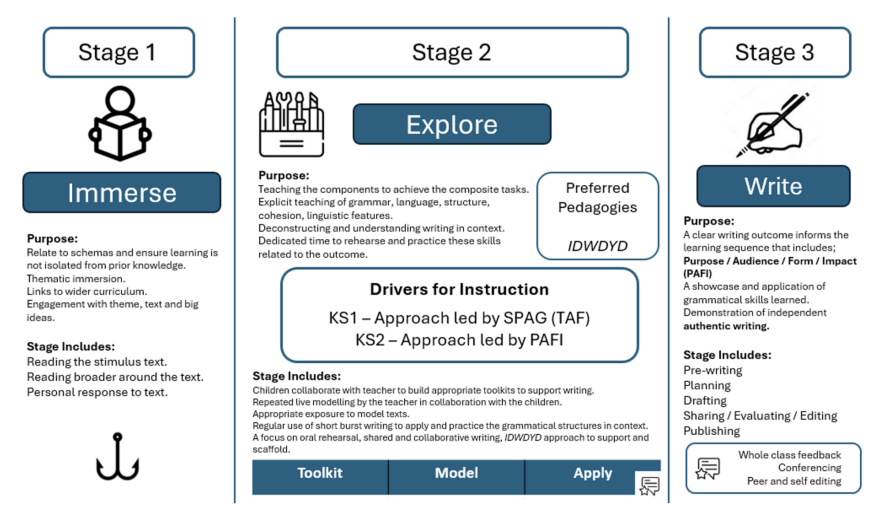
At Colmers Farm, our writing units are built around carefully selected engaging and high-quality texts which have been mapped to ensure progression from EYFS to Year 6. The teaching of writing is taught through a clearly sequenced approach to ensure children read like writers and write like readers. This includes three related stages:
- Immerse (building required schemes relating to the themes, concepts and context of the core text);
- Explore (where children analyse the authors craft, are taught the key grammatical concepts in context, and rehearse this in their own writing);
- Write (for a specific purpose, audience and impact in a chosen form, through the process of pre-writing, planning, drafting, editing and publishing their work).
The teaching of grammar and punctuation is through a contextualised approach, with a focus on sentence level instruction, allowing for explicit teaching of grammatical knowledge within the understanding of both the model text and the intended purpose, audience, form and impact of the writing outcome.
Explicit handwriting and spelling instruction is embedded and rehearsed through the approach of daily dictation across all key stages. This approach also provides opportunities for regular rehearsal of syntactical patterns and grammatical structures that have been previously explored and learned.
Opportunities for both incidental and formal writing throughout the writing units of work are planned to rehearse and demonstrate the craft of writing, alongside opportunities for writing across the foundation subjects.
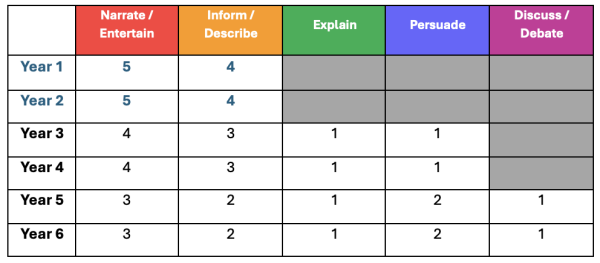
All children are expected to produce 9 pieces of writing (assessed) across a year. The purpose coverage for these 9 pieces is outlined below. These pieces of writing are linked (where possible) to the geography and history topics that the children are being taught at that time.
 Mathematics
Our Vision for Mathematics
Every child a mathematician: bringing mathematics to life by living mathematics
At Colmers Farm Primary School and all Excelsior Multi Academy Trust schools, we aim for every child, no matter their background, to become a fluent mathematician – skilled, knowledgeable and equipped with a deep and secure understanding of mathematics, that gives the accuracy, efficiency and flexibility to problem solve and reason in a range of contexts. Equally, we seek to ensure every child sees the beauty of maths, finding a love of the subject through curiosity, exploration and the deep satisfaction of mathematical thinking. After all, the answer is just the beginning.
We have fully adopted a Teaching for Mastery approach to our mathematics curriculum, underpinned by the National Curriculum and the National Centre for Excellence in the Teaching of Mathematics’ principles in ‘The Essence of Mathematics Teaching for Mastery’:
- Mathematics teaching for mastery assumes everyone can learn and enjoy mathematics.
- Mathematical learning behaviours are developed such that pupils focus and engage fully as learners who reason and seek to make connections.
- Curriculum design ensures a coherent and detailed sequence of essential content to support sustained progression over time.
 (1) Main Maths Lesson
In EYFS: achievement of Number and Numerical Patterns Early Learning Goals is fully supported by the delivery of NCETM’s Mastering Number programme, alongside mathematical provocations in continuous provision, both in the classroom and outside.
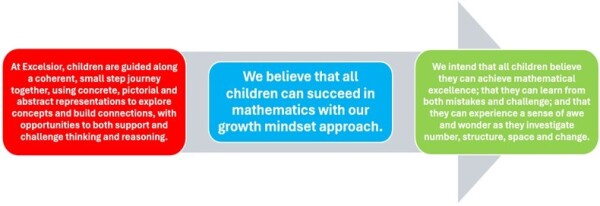
In KS1 and KS2, children are guided along a coherent, small step journey together, using representations to explore concepts and build connections, with opportunities to both support and challenge thinking and reasoning. This approach ensures a deep, secure understanding for all and is achieved using the DfE approved Maths – No Problem! programme.
(2) Number fact fluency input
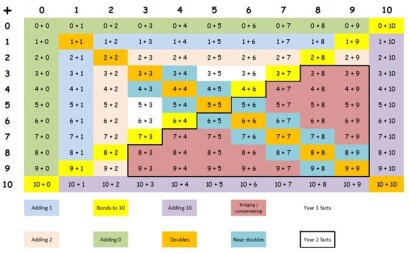
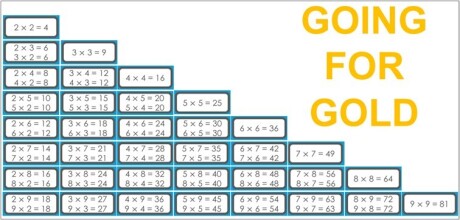
The importance of number fact fluency cannot be emphasised enough. Ofsted’s Maths Report: Coordinating Mathematical Success (2023) found that most older children who struggle had a weakness in recalling arithmetical facts such as number bonds.
Recall and automaticity in number facts is the effortless recall of facts, such as number bonds and times tables facts, whilst understanding the relationship between these facts. This relieves cognitive load and develops pupils’ confidence to achieve success.
 |
 |
(3) Arithmetic practice
Indeed, Ofsted’s report, Coordinating Mathematical Success, identified that, ‘Pupils need procedural fluency to be able to solve a range of problems and to then learn which types of problems a method is useful for. Both of these develop with practice.’
Fluency demands more of students than memorisation of a single procedure or collection of facts. It encompasses a mixture of efficiency, accuracy and flexibility. Quick & efficient recall of facts and procedures is important for students to think strategically and solve problems. In these daily sessions, children practise to stay skilled, and to develop their arithmetic toolkits.
On this page, you will find links to our long-term plans for our mathematics curriculum and also some ways that you can help your children to learn at home!
 |

|
Further Information
If you would like to know more about our curriculum please contact school directly or arrange a tour and see the curriculum in action!